
Key initiatives: From targets to implementation
1. Policy frameworks with concrete measures
Denmark works with policy frameworks that translate climate and food system ambitions into concrete measures.
A key example is the Agreement on a Green Denmark, which includes a carbon price on livestock emissions from 2030, restoration of peatlands, afforestation, nature restoration, nitrogen reduction and changes in agricultural land use.
The agreement is expected to reduce Danish emissions by 1.8 – 2.6 million tonnes CO2e by 2030.
2. Financing and incentives for implementation
Denmark supports implementation through dedicated funding mechanisms.
The Green Area Fund, established as part of the Agreement on a Green Denmark, allocates DKK 40 billion, approx. EUR 5.4 billion to land-use change, including peatland restoration, afforestation and nature restoration.
The Plant-Based Food Grant allocates more than DKK 1 billion towards 2030 to projects that promote plant-based foods. The fund supports plant-based crops, ingredients, food innovation, processing, market development and new value chains.
Together, these funds show how Denmark connects political ambition with practical financing for farmers, companies and emerging value chains.
3. Policies that create new markets and value chains
Implementation is also about creating the conditions for new markets to grow.
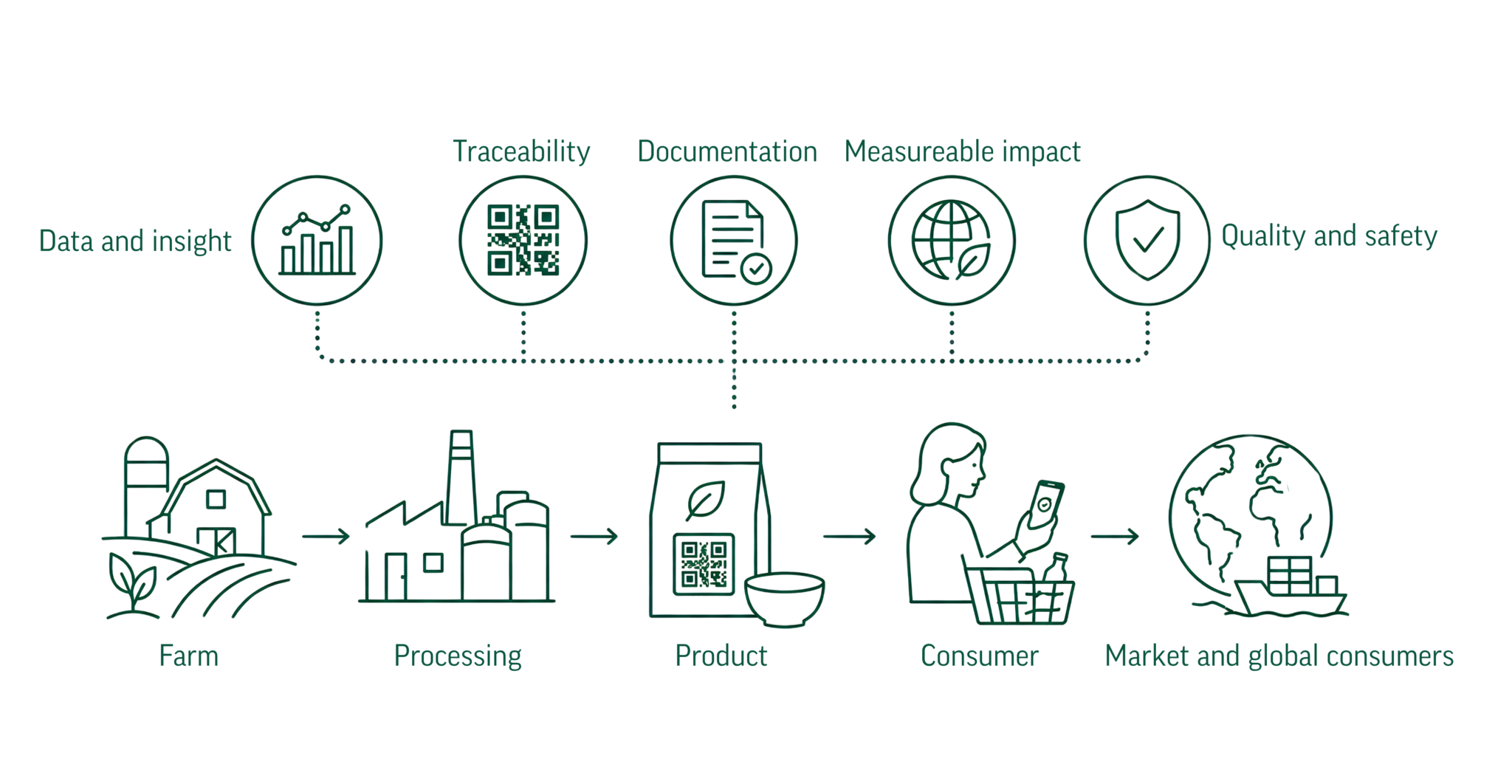
Denmark’s Action Plan for Plant-Based Foods supports the development of the plant-based value chain – from primary production and ingredients to food innovation, exports and market opportunities.
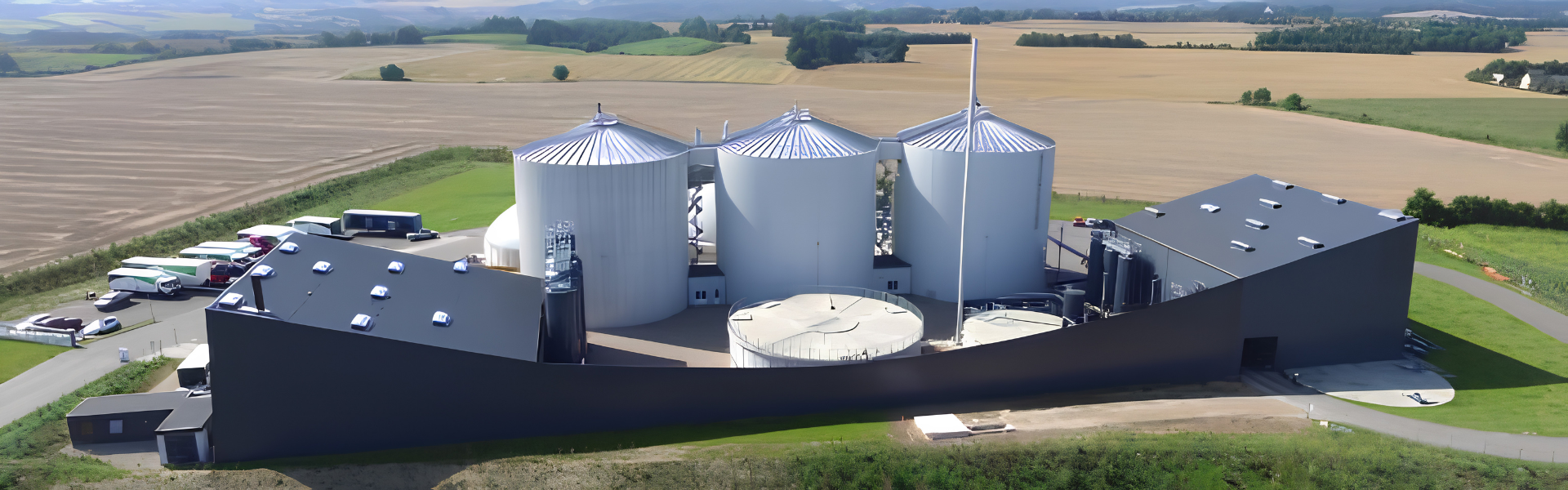
Biogas is another example of how policy and infrastructure can support new value creation. Livestock manure, food waste and organic residues are used to produce renewable gas and recycled nutrients, connecting agriculture, food production, waste handling and energy.