

Barley collaboration cuts the footprint of beer
Malted barley may be the backbone of many good beers, but it is also responsible for a large share of the carbon emissions frombeer production. For Carlsberg Group, agricultural raw materials are therefore an important focus area in the company’s efforts to reduce the footprint of beer.
Through partnerships with suppliers, farmers and research experts, Carlsberg is working to reduce emissions linked to barley production and brewing. This includes farmer collaborations, regenerative agriculture practices and research into new barley varieties that can reduce energy use in the malting and brewing processes.
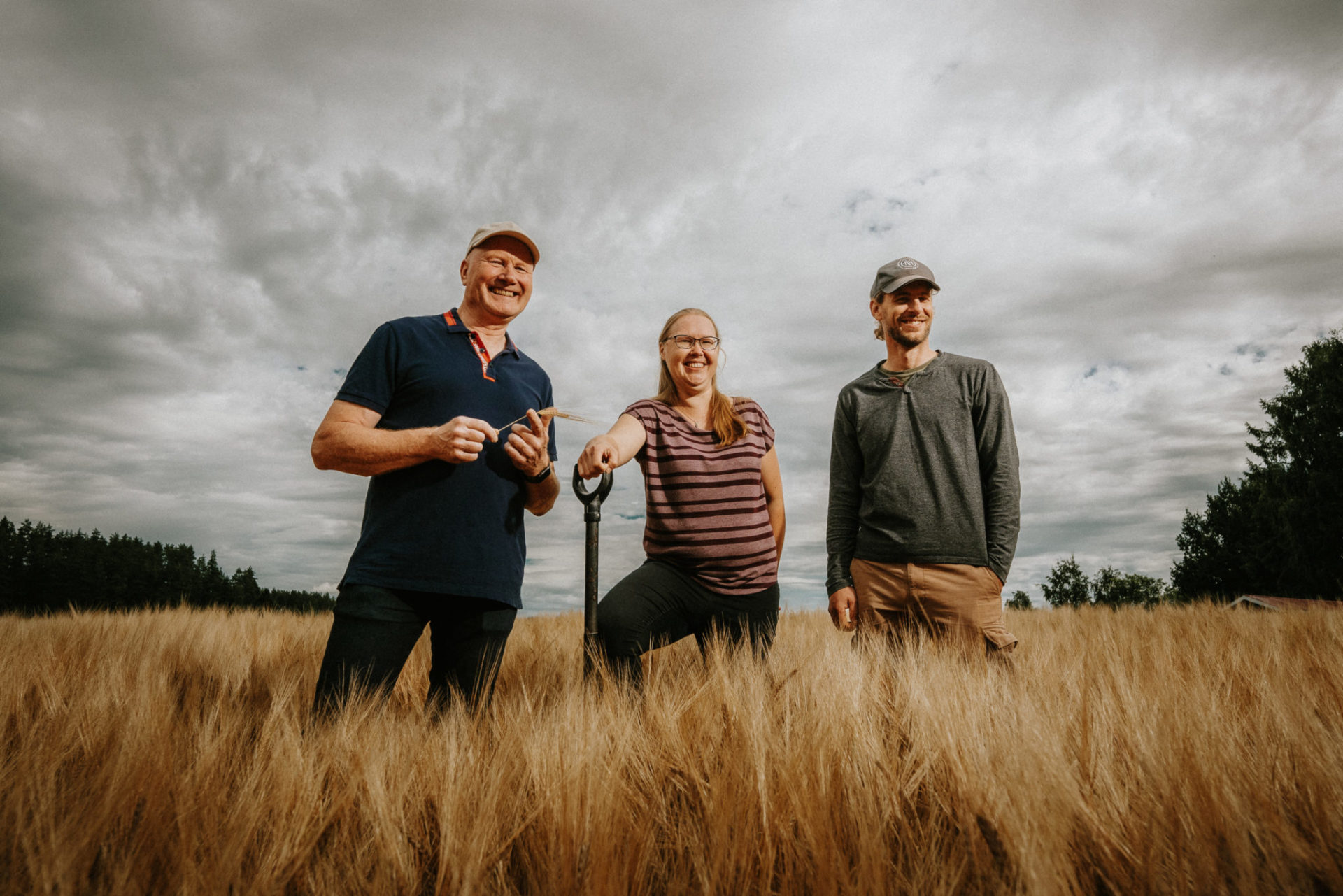
Partner farmers that deliver barley to Carlsberg companies in Denmark, Finland, France and the UK have kicked off by adopting new barley cultivation practices that prioritise soil health, supporting natural carbon capture, promoting biodiversity and regenerating the farmland.
In France, for example, 20% of the malt used to brew Kronenbourg 1664 Blonde beer is being sourced from farms using sustainable practices, with full traceability enabled by a new blockchain solution.
Scientists at the Carlsberg Research Laboratory are strengthening these efforts by using selective breeding to develop new barley types that reduce the energy and synthetic input requirements – and related carbon emissions – of the malting and brewing processes.
Early trials with a novel malting barley have demonstrated an up to 25% reduction in energy use during wort boiling. Carlsberg is today rolling out the variety to markets in Europe and aims to make it available to other brewing companies.
Novel malting barley uses 25% less energy during wort boiling
As part of its broader sustainability programme, Together Towards ZERO and Beyond, Carlsberg has committed to sourcing 30% of its agricultural raw materials from regenerative practices and sustainable sources globally by 2030, increasing to 100% by 2040.
Carlsberg’s latest ESG reporting shows continued progress, with barley already being procured from farmers that have started using regenerative practices. By combining farmer partnerships, regenerative agriculture and brewing innovation, Carlsberg is working to reduce the climate footprint of beer from field to glass.