Menu

Strongholds

Stay updated on news and events

Subscribe to newsletter

THE DANISH DAIRY VALUE CHAIN

- Solutions by Denmark

FOREWORD

Across the world, dairy demand is growing as populations expand, incomes rise and consumers look for safe, nutritious and convenient food products. At the same time, dairy companies face pressure to increase local production, improve quality, reduce losses and use resources more efficiently.

Denmark has long been recognised for a dairy value chain built on high productivity, strong food safety standards, data-driven management and efficient use of raw materials. This reflects a Danish focus on making better use of resources across the value chain, where productivity, quality and efficiency are developed together. From breeding and feed to farm technology, processing, products and quality systems, Danish solutions are shaped by close collaboration between farmers, companies, research institutions and authorities.

What makes the Danish dairy value chain relevant is not one single technology, but the way the system works together. Data supports better decisions on farms. Feed and genetics improve productivity and animal health. Processing and analysis protect milk value. Ingredients and product know-how help create more value from every litre of milk. Across these areas, quality and safety form the foundation, as a layer of trust that runs through the entire system.

This catalogue presents five areas of the Danish dairy value chain and how they can support companies looking to strengthen their own dairy business. Danish solutions can help increase output, improve consistency, meet stricter food safety requirements and create more value from milk, water, energy and side streams.

Whether your priority is productivity, product quality, food safety, circularity or market-ready dairy products, the Danish dairy value chain offers inspiration and practical solutions that can support the next step in your dairy development.

CEO Lise Walbom, Food Nation

Expand to read more

INTRODUCTION

Global dairy demand is projected to grow by 20.4% by 2034, creating a need for dairy systems that can scale production efficiently while maintaining quality, food safety and resource efficiency.

Denmark has built a high-performing dairy sector, with an average annual milk yield of 10,799 kg per cow, compared with an EU average of 8,120 kg. This is not the result of one single technology or company. Rather, it reflects decades of work across breeding, feed, farm management, advisory systems, processing, data and quality control. Together, these elements have helped create a dairy sector focused on continuous improvement and efficient use of resources.

More than two-thirds of Danish dairy production serves international market demand. This has shaped a value chain focused on quality, consistency, food safety, documentation and meeting different market requirements.

Technological advancements have also made it possible to reduce around 30 percent of the cow’s methane emissions, supporting more sustainable and climate-efficient dairy production while maintaining safe, high-quality products.
 

kg

milk yield per cow/year in Denmark vs. 8,120 KG EU average

% approx.

of Danish dairy production meets international market demand

%

methane reduction potential from Danish dairy technologies

What Danish dairy can do for you

1. Boost productivity and efficiency

Increase output from cow to finished product through better genetics, feed, farm systems and processing efficiency, helping produce more with the same resources.

2. Raise quality standards

Danish processing, analysis and hygiene solutions help meet strict international food safety requirements and strengthen traceability, consistency and trust.

3. Reduce antibiotic use

Data-driven health management and natural feed additives help eliminate routine antibiotic use – a growing market requirement.

4. Go circular

Turn manure, whey, water and heat streams into biogas, ingredients and new value, supporting both resource efficiency and product development.

Breeding & Genetics

The foundation of efficient, healthy, long-lived dairy cows

Breeding that improves productivity and resilience

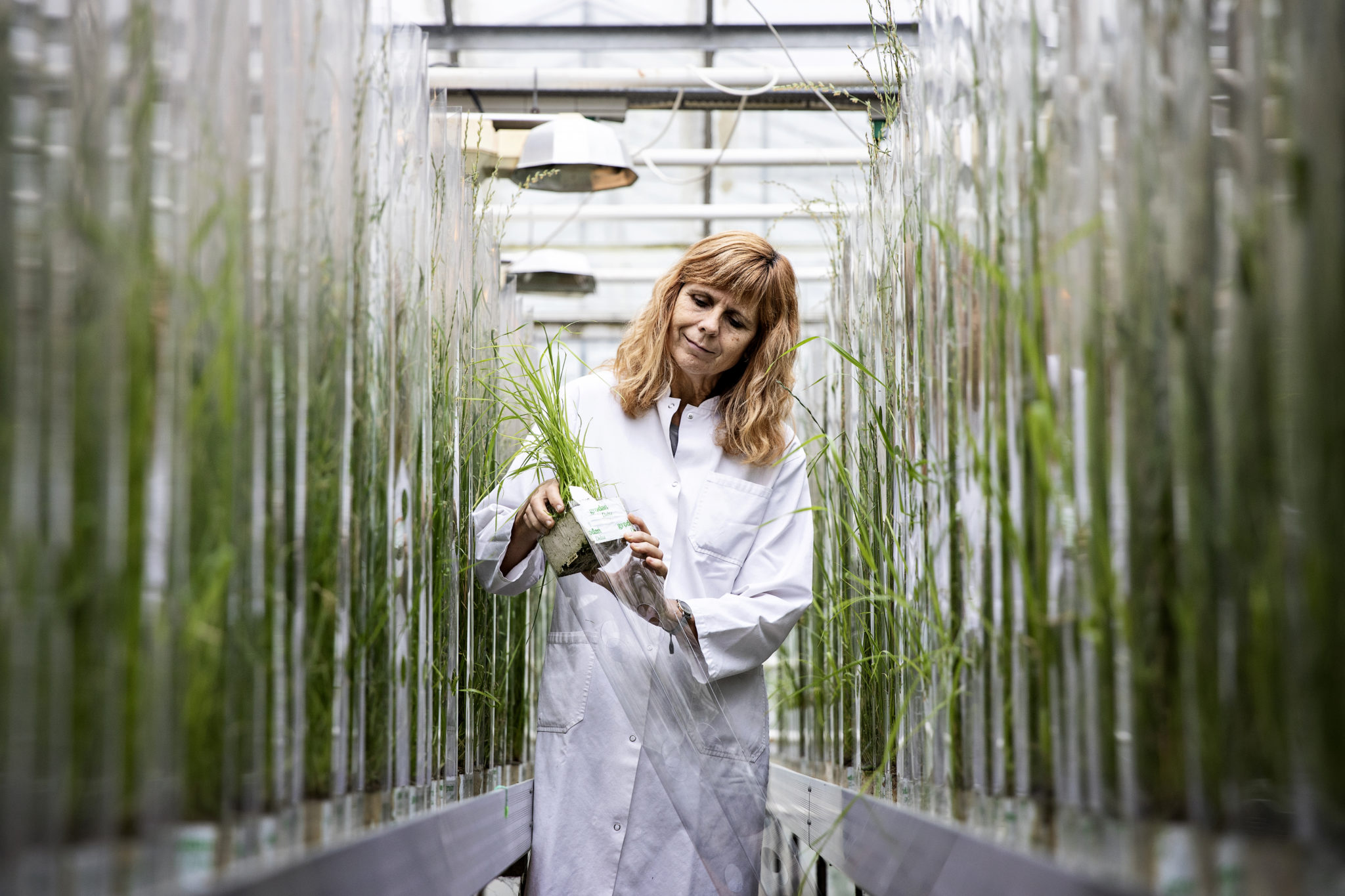
Breeding and genetics are a foundation of the Danish dairy value chain. The overall goal is to develop cows that are productive, healthy and able to perform efficiently over time.

In practice, breeding focuses on traits such as milk yield, fertility, animal health, longevity, milk components and feed efficiency. This is important because stronger genetics can contribute to several business and production goals at the same time: higher milk output, healthier animals, lower feed costs and better use of resources at farm level.

Expand to read more

Breeding as the foundation for stronger dairy systems


A key strength in the Danish and Nordic model is the strategic work behind the breeding goals. When productivity is linked with fertility, health, feed efficiency and longevity, breeding becomes a tool for improving farm economics, animal welfare and resource use at the same time.

This is made possible by decades of structured data collection and close collaboration between farmers, industry and research environments. In the Nordic countries, systematic data collection on health traits has been in place since the 1980s, providing a strong foundation for continuous improvement.


Built on data, collaboration and long-term breeding goals

For dairy businesses, the value of breeding is both operational and strategic. By improving milk output, milk components, animal health, feed efficiency and productive lifetime, Danish and Nordic breeding solutions can help reduce disease pressure, lower feed costs and improve resource use from the beginning of the value chain.

Breeding also plays a role in reducing emissions per litre of milk. Around 20% of a cow’s methane production is linked to genetics, which means targeted breeding can support more climate-efficient dairy production over time.


While each market must adapt breeding strategies to local conditions, the Danish and Nordic experience shows how shared data, structured breeding goals and collaboration can support more stable milk supply, better raw milk quality and stronger herd resilience. It also shows the value of aligning breeding goals with changing production and market needs.


Feed & Ingredients

Optimal feed solutions secure more milk with fewer cows and better use of feed resources

Feed solutions that improve performance and profitability

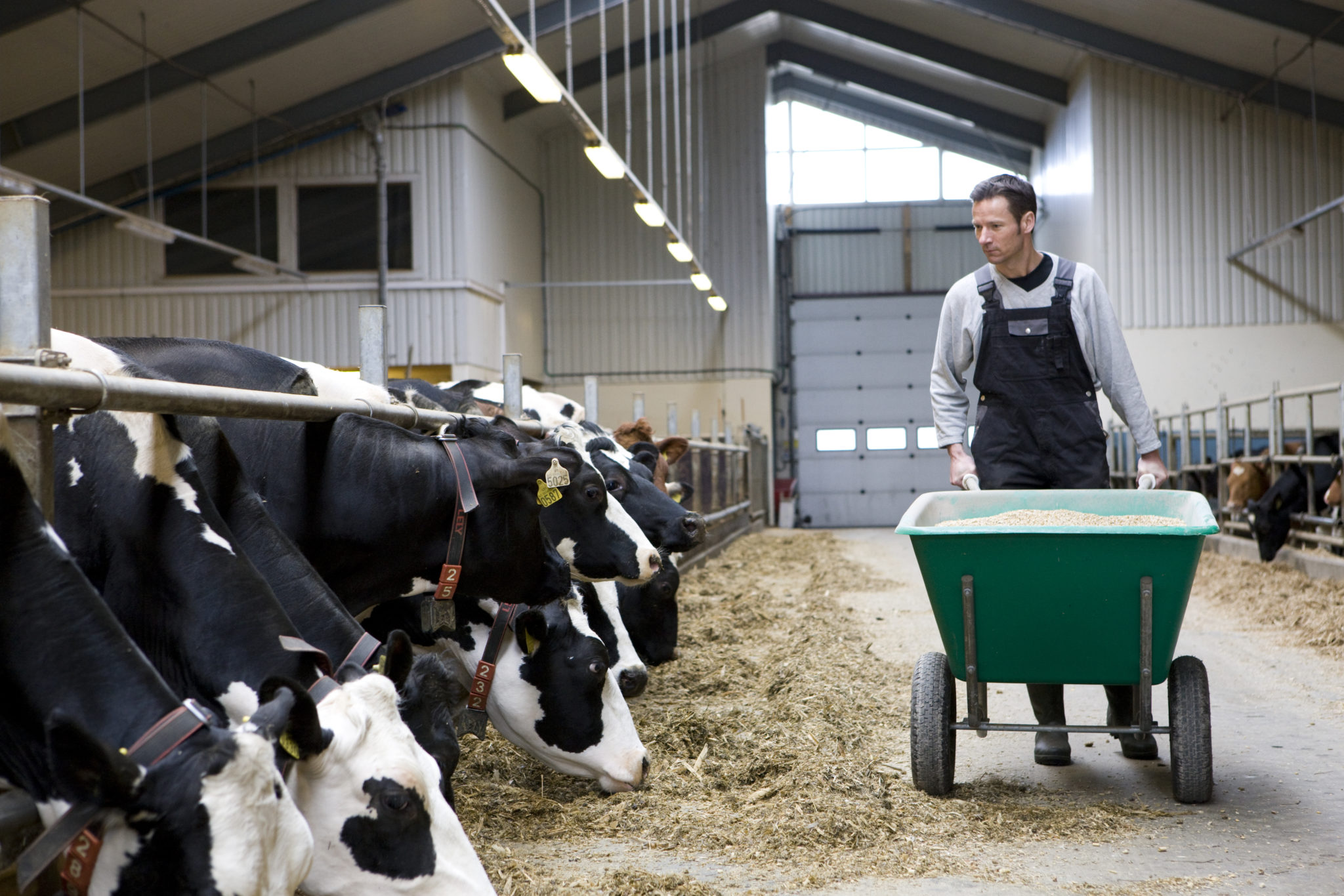
Feed affects almost every aspect of dairy performance – from milk yield and feed costs to animal health and resource efficiency.

In dairy production, feed is one of the largest cost drivers, but also one of the biggest opportunities for improving output and margins.

The Danish approach is therefore not simply about feeding more, but about feeding more precisely. Feed solutions focus on matching nutrients and feed composition to the actual needs of the animal, based on production level, health and herd performance data.

By balancing energy, protein and nutrients more accurately, farmers can improve feed conversion, support healthier animals and get more milk from the same inputs.

The value is both operational and commercial. Better feed utilisation can reduce feed costs per litre of milk, minimise waste and losses, support stable herd performance and contribute to lower emissions per litre of milk over time.

Science-based feed solutions for stronger dairy performance

Danish feed solutions is not a standalone input. It is closely linked to herd management, data systems and advisory services, where feed ingredients and data-driven ration planning help turn nutritional knowledge into practical decisions on farm.

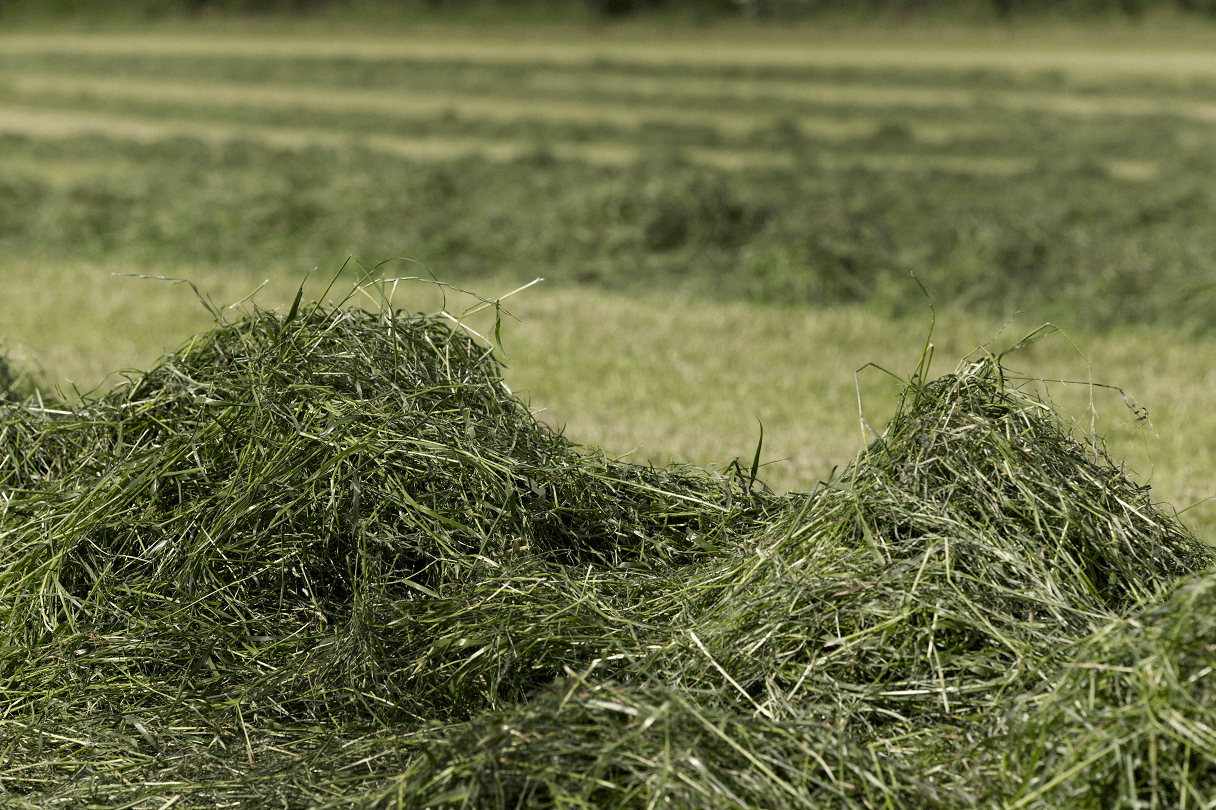
In practice, feed performance also depends on the quality and stability of the feed itself. Local climate conditions can affect ration stability, nutritional value and intake. Danish feed and ingredient innovation therefore focuses on solutions that protect feed quality, improve digestibility and support more efficient milk production.

Denmark has a long tradition of collaboration between industry, academia and public institutions, with farmers and advisory environments closely connected to the development of practical solutions. This helps translate scientific knowledge into feed solutions that are widely implemented across Danish dairy farms and supported by leading feed and biosolution companies.

Farm & Equipment

Turning management, welfare and technology into performance

Smart farm systems for healthier cows and stronger margins

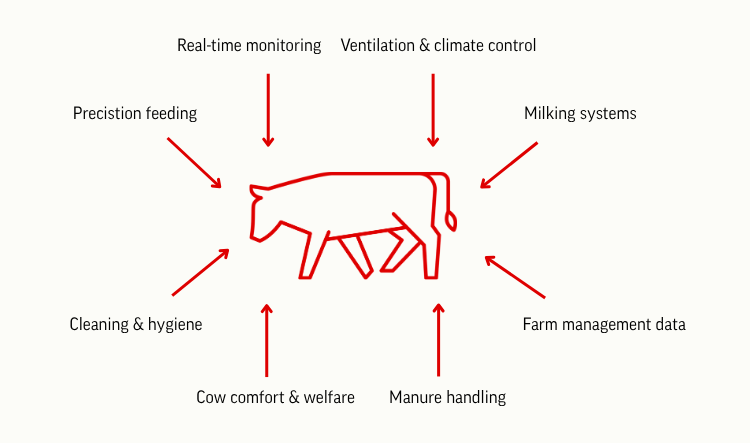
Farm performance is shaped by much more than one piece of equipment. It depends on how feeding, milking, ventilation, hygiene, herd management and daily operations work together.

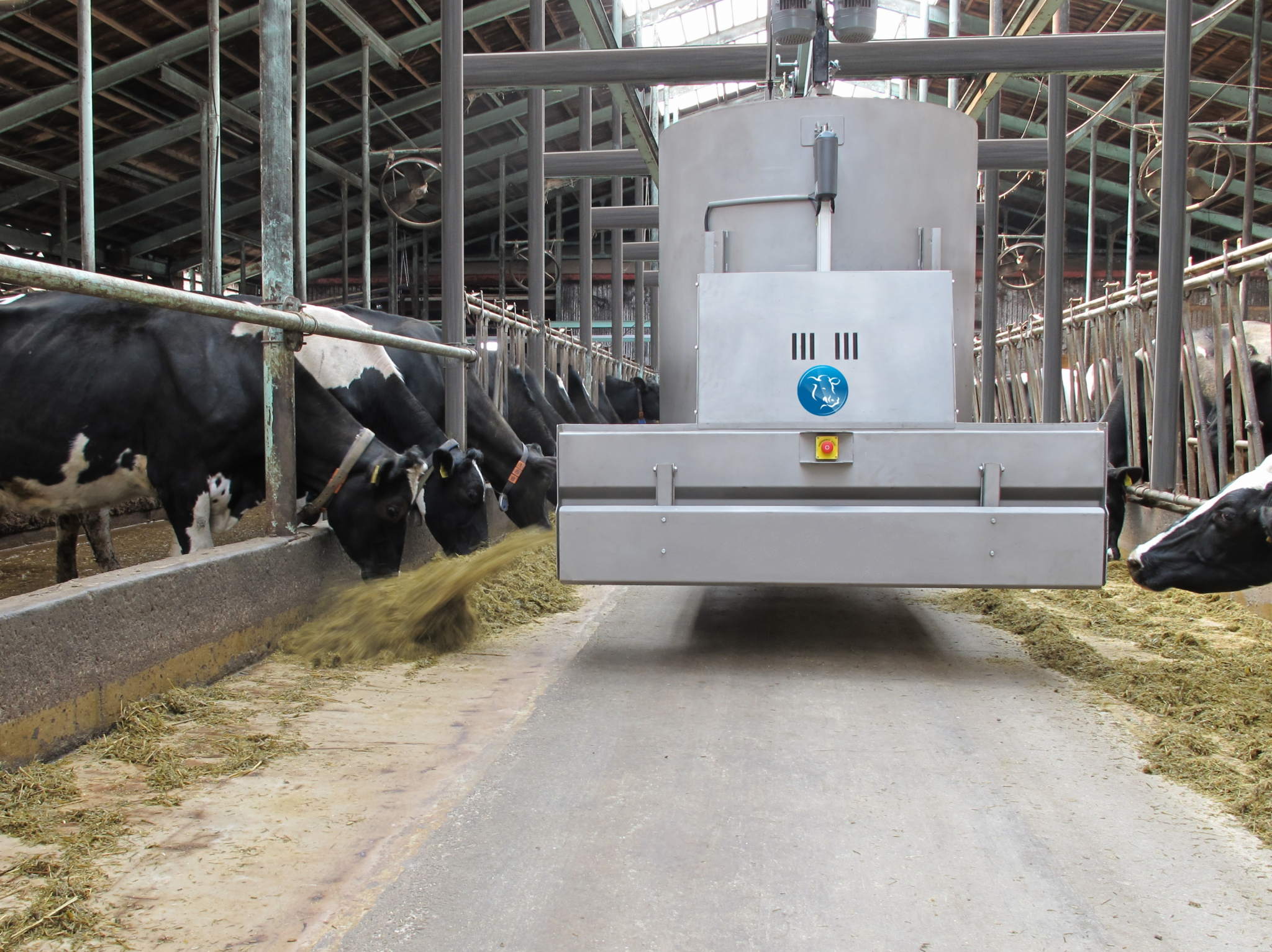
The Danish approach is built around integrated farm management supported by technology and real-time data. Sensors and digital systems help farmers monitor herd health, milk production, feed intake and barn conditions continuously. This supports earlier detection, more precise management and more stable production.


Expand to read more

Integrated farm systems for healthier cows and stronger performance

1. Connected systems around the cow

Danish farm equipment suppliers offer solutions across the daily functions that shape dairy performance – from barn equipment, milking and feeding systems to ventilation, manure handling, cleaning and hygiene.

The important point is how these systems work together. Sensors, automation and digital management systems help connect data from cows, equipment and farm operations, supporting continuous monitoring, earlier detection and more precise day-to-day management.

2. Animal welfare as a performance driver

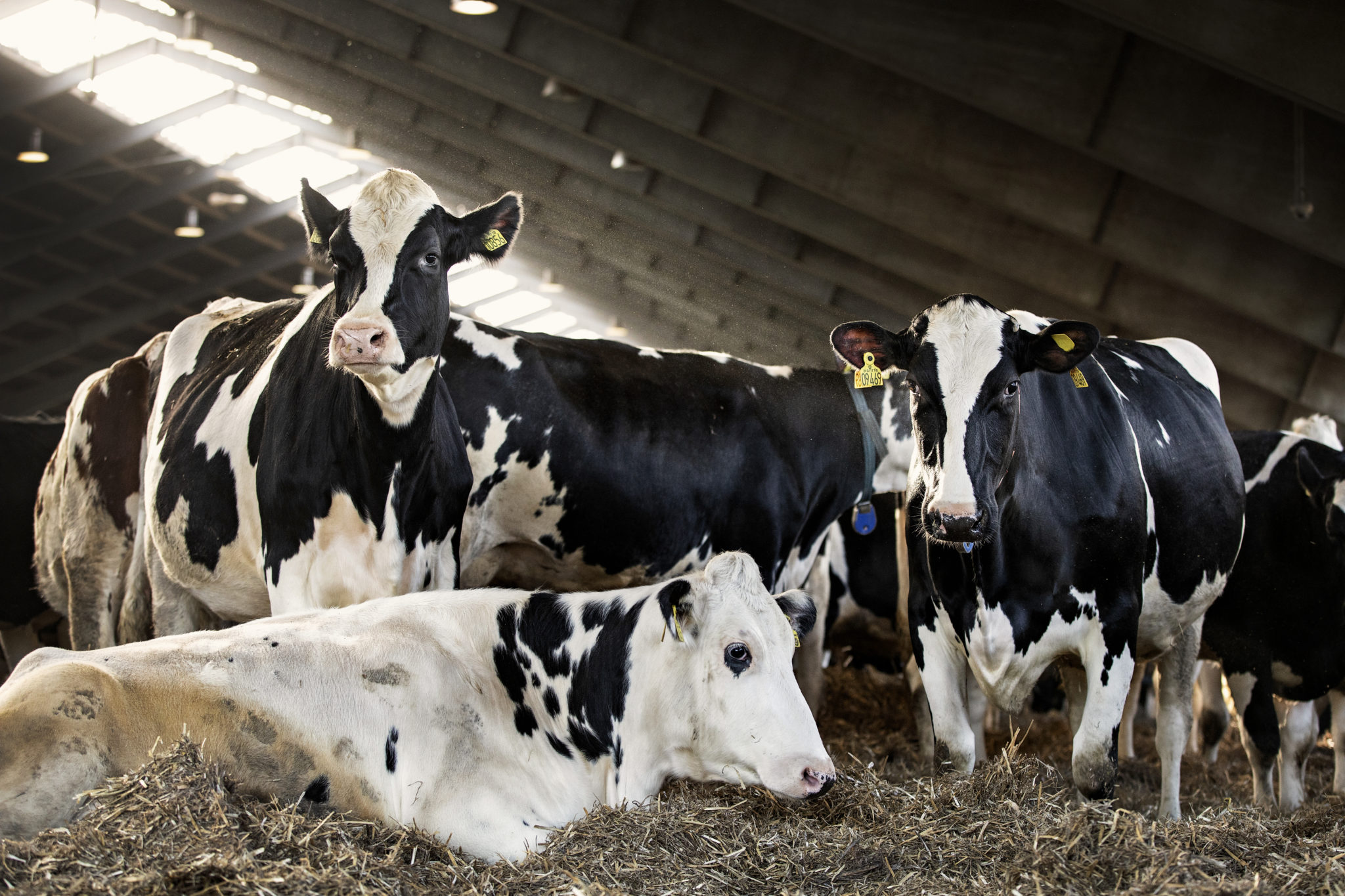
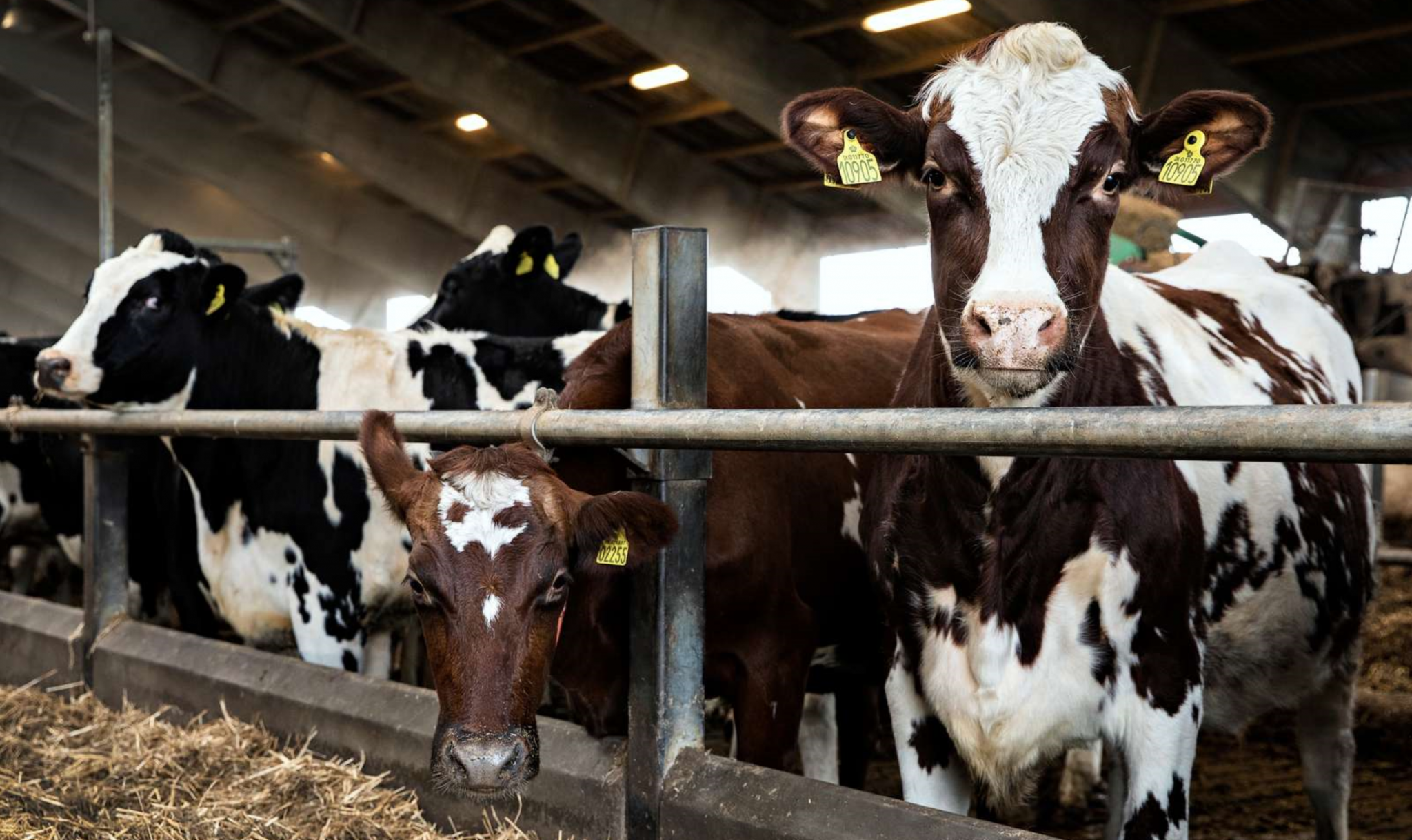
Cow comfort is central to the Danish approach. Good housing, bedding and floor systems help cows stand safely, lie down comfortably and ruminate efficiently.

A well-rested cow, stable barn climate, reliable feeding and hygienic milking all contribute to better animal welfare, stronger animal health and more consistent milk quality. As temperatures rise, ventilation and climate-control systems also help reduce heat stress and support stable production conditions.

More output from every input

The overall value is efficiency across the farm. Integrated feeding, milking, cleaning, ventilation and manure handling systems help farms improve labour efficiency, reduce resource losses and get more output from existing inputs.

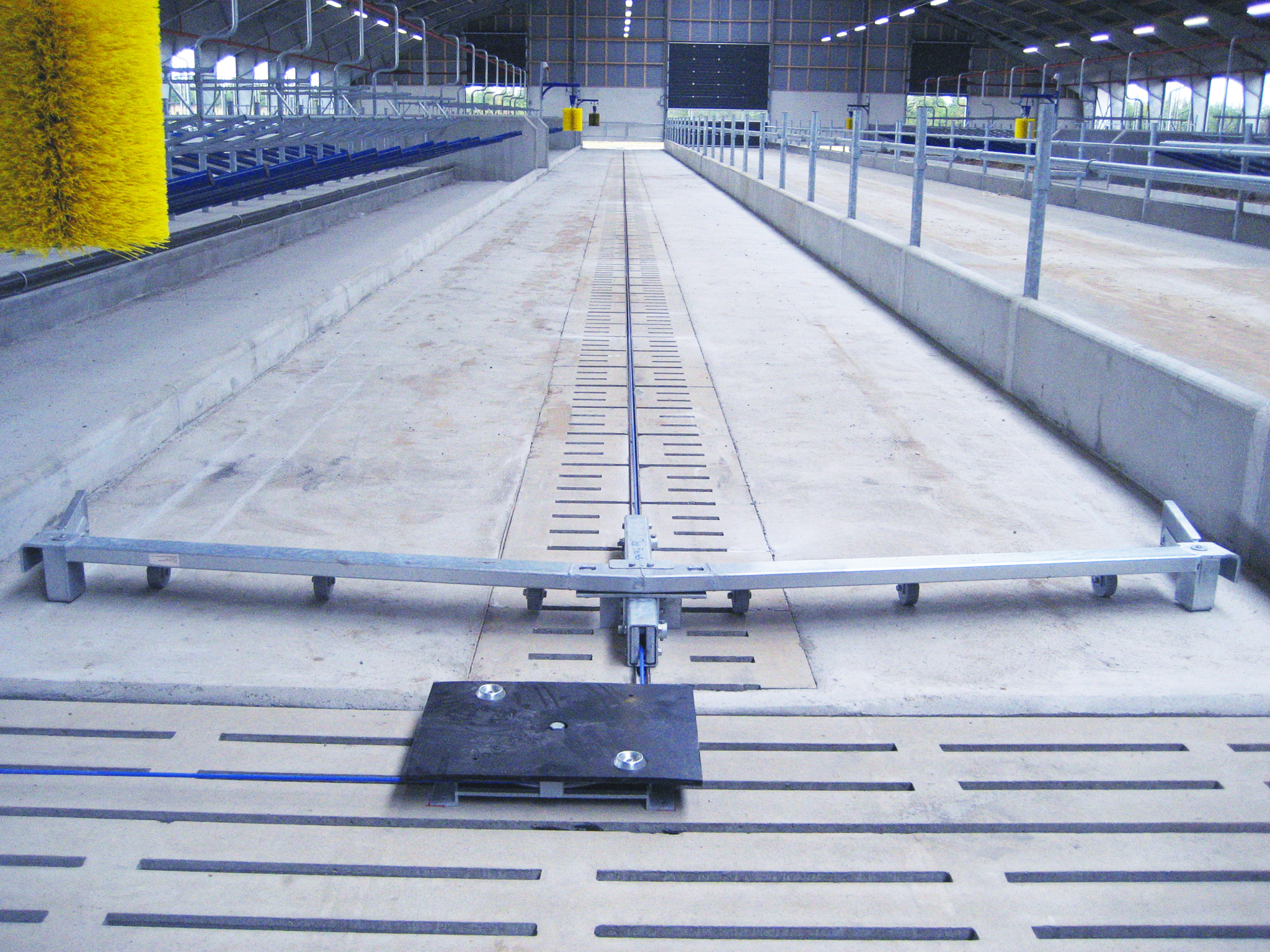
Automated feeding, fresh water supply, hygienic cleaning and efficient manure handling can reduce waste, improve feed utilisation, support cow health and create a more comfortable working environment for farm staff. In some systems, manure and residues can also become part of circular solutions such as biogas and fertiliser production.

Developed in high-performing Danish dairy systems, these solutions are designed to support comfort, consistency and efficient daily operations for both cows and farmers.

Expand to read more

Processing & Ingredients

Protecting milk value through efficiency, hygiene and control

Processing solutions that maximise milk value

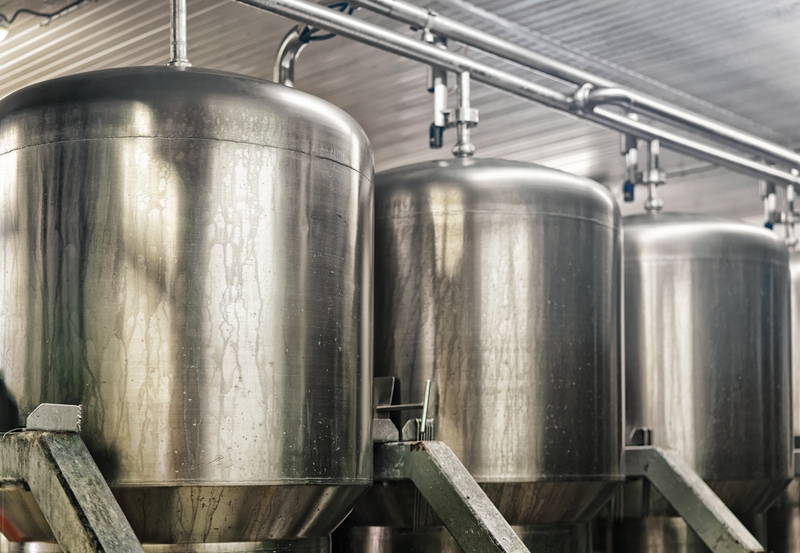
Denmark is a major exporter of innovative dairy processing equipment that supports high production yields and resource efficiency. As dairy processing is a large-scale consumer of water and energy, Danish technologies are developed with a strong focus on reducing consumption, recycling heat and water, and improving production performance.

Danish suppliers develop new solutions in close collaboration with dairies, where there is a continuous focus on reducing production costs, meeting environmental demands and staying competitive. This reflects Denmark’s highly integrated dairy sector, where large-scale processors, specialised dairies, suppliers, universities and research environments work closely together to develop solutions that are tested in demanding production settings.

For dairy businesses, the value lies in technologies that can be integrated into existing operations and help solve concrete challenges such as high energy use, raw material loss, contamination risk and unstable production quality.

Expand to read more

Danish processing solutions maximise milk value

1. Control every litre of milk

Danish processing solutions use automation, sensors, real-time analysis and data to control milk quality, composition and production performance from intake to final product.

This gives processors better insight into the raw material and the production line, helping reduce variation, prevent downtime and improve yield.

2. Reduce losses through hygiene and process control

Hygiene and documentation are central to Danish dairy processing. Advanced CIP systems, process control and quality analysis help protect raw materials, reduce contamination risks and secure consistent product quality.

These solutions support earlier detection of deviations and help reduce losses from spoilage, unstable production and insufficient cleaning. At the same time, efficient processing and cleaning technologies can help lower the use of water, energy and cleaning chemicals.

Create higher-value ingredients from milk and side streams

Danish ingredient and processing know-how helps dairies get more value from raw milk and side streams. Separation and membrane technologies can extract valuable components such as whey proteins, lactose, milk minerals and functional ingredients.

Cultures, enzymes and biosolutions can further improve shelf life, texture, stability and processing efficiency. This helps processors move beyond basic dairy production and develop higher-value ingredients and products for demanding markets.

Expand to read more

Products

Making milk go further through higher-value application

Dairy products that create value in the market

As dairy markets develop, the focus is increasingly not only on producing more milk, but on creating higher-value dairy products for different consumer and market needs.

This requires products with stable quality, long shelf life and consistent taste and texture across markets and climate conditions. Danish dairy know-how plays an important role here. Strengths in cultures, enzymes, fermentation and milk components help dairies create products with reliable functionality, stability and consumer experience.

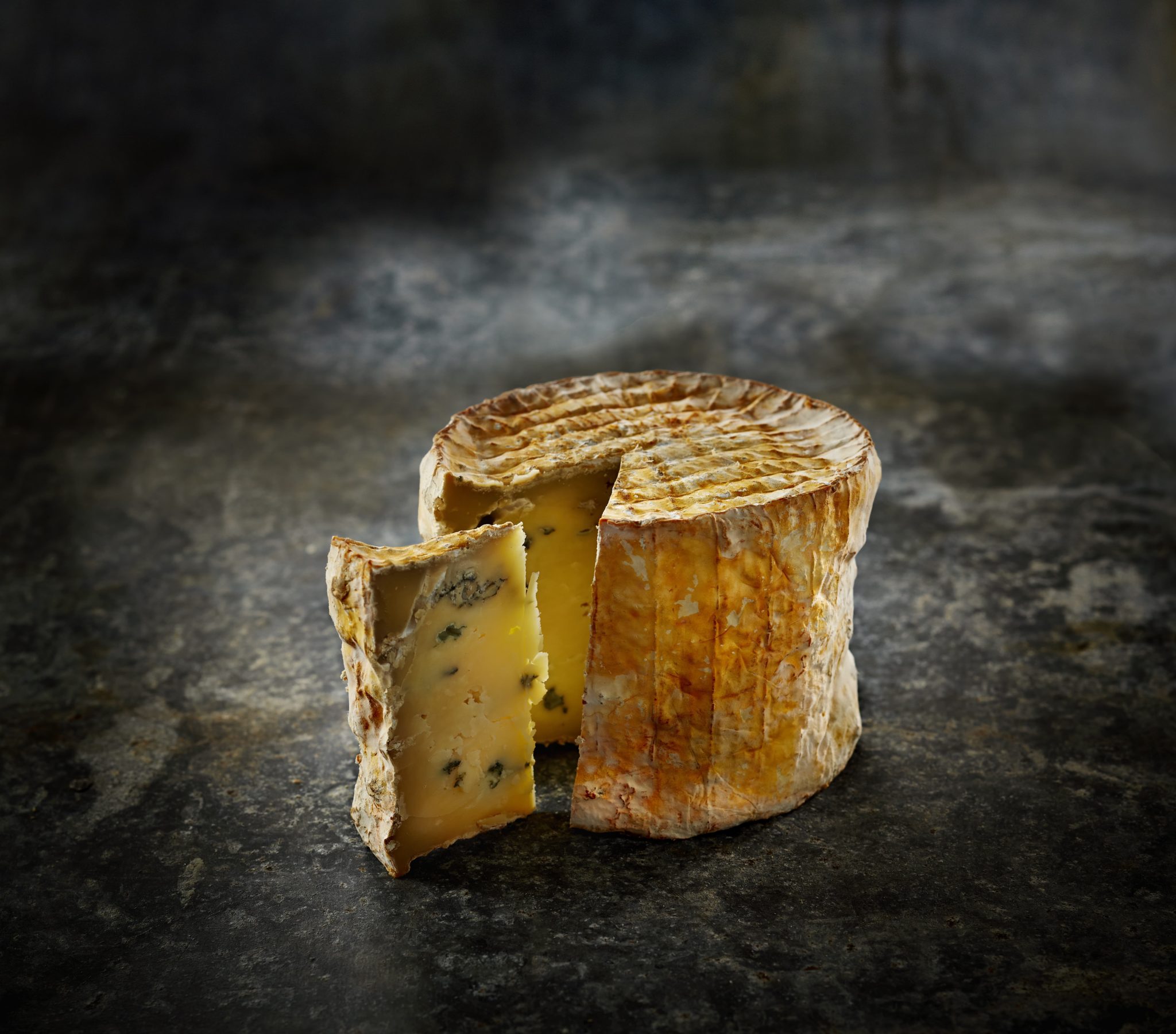
This is particularly important in categories such as cheese, fermented dairy, specialised nutrition and other higher-value dairy products, where food safety, product consistency and market fit are central to commercial success.

Expand to read more

Three ways Danish dairy know-how creates product value

1. Products for demanding markets

Danish dairy know-how supports the development of high-quality dairy categories that meet strong expectations for food safety, consistency and consumer trust. This helps dairies build stronger brands and improve market access in demanding retail and foodservice markets.

2. Stable quality, taste and shelf life

Longer shelf life, stable product performance and consistent taste and texture help reduce losses and make products more reliable across different supply chains, retail formats and climate conditions.

3. Higher-value dairy for changing consumer needs

Danish capabilities within cheese, fermented dairy, specialised nutrition, cultures and ingredients help dairies create functional and nutritious products adapted to different consumer needs.

This can include nutrition products for ageing populations, fermented dairy with features such as less added sugar, or premium dairy categories with a stronger sensory profile.

Turning rising dairy demand into market-ready products

Danish product development combines strong dairy traditions with modern science and close collaboration between dairies, food scientists, chefs, ingredient specialists and technology partners. This helps improve functionality, market fit and reliable performance across product categories.

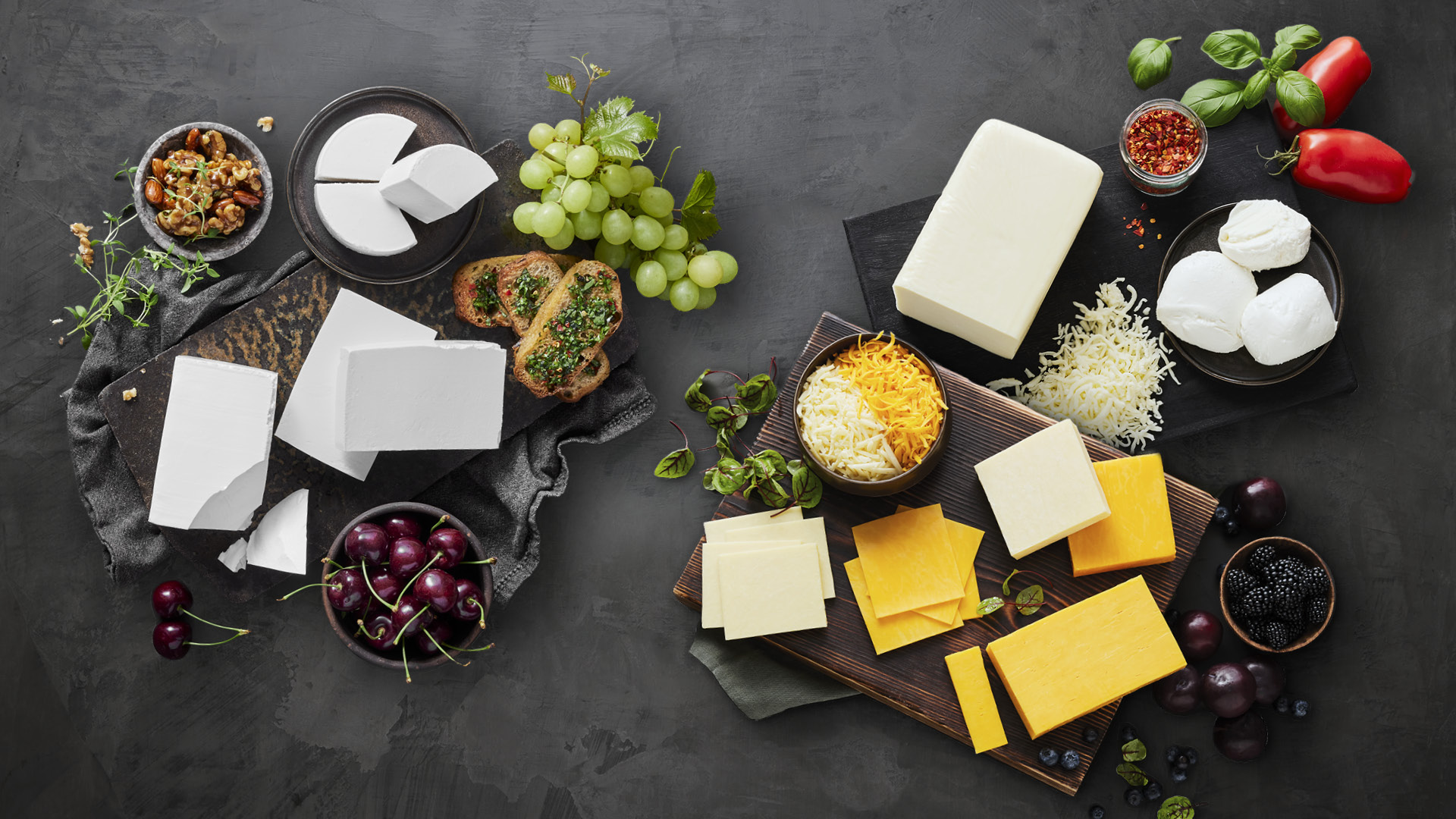
Denmark’s export position shows how this know-how performs in practice. Danish dairy exports include cheese, butter, milk powders, specialised ingredients and fermented dairy products.
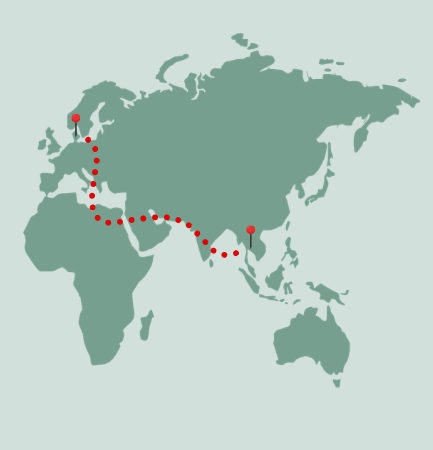
Together, these capabilities help move milk further up the value chain – from raw commodity to market-ready dairy products with stronger commercial potential.

Expand to read more

Quality & Safety

A foundation of trust across the dairy value chain

Quality and safety built on data, hygiene and control

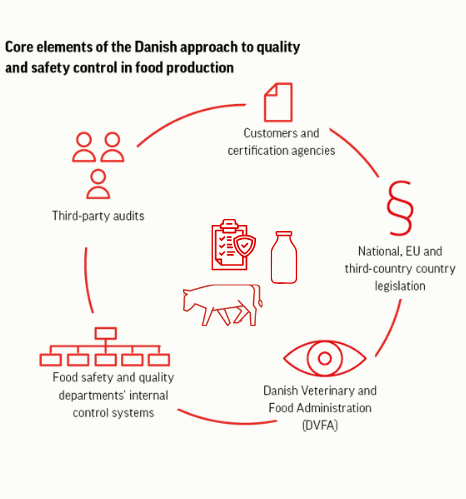
Danish dairy quality and safety is built on shared data, traceability, documentation, farm standards, testing, hygiene and processing control. The important point is that quality is not checked only at the end of production. It is built into the system from the individual cow to the finished dairy product.

A key part of this is traceability. Systems such as the Central Husbandry Register, CHR, give each animal a unique identity and link relevant data on milk yield, quality, breeding information and veterinary history. This makes it possible to follow quality and performance across the value chain.

Trust that can be documented

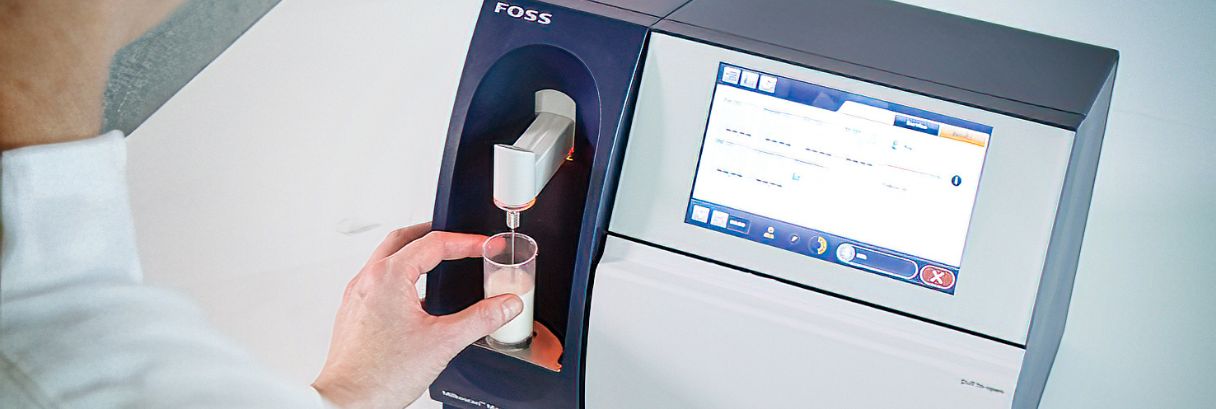
Food safety is built into daily production through documented control systems. At farm level, quality assurance programmes and audits help document milk quality, animal welfare and production standards. In processing, rapid analysis, bacterial testing, CIP, hygiene solutions and process control help detect deviations early, reduce contamination risks and secure consistent product quality.

This system is supported by close interaction between farmers, dairies, laboratories, veterinarians, processors and public frameworks for documentation and traceability. Together, data from farms, cows, milk laboratories, veterinary systems and processing environments helps dairies monitor milk quality, control bacteria, residues, somatic cells and milk composition, and manage risks earlier.

For dairy businesses, the value is clear. Danish quality systems help reduce contamination risks, lower losses from spoilage and quality deviations, and create stronger documentation for customers, authorities and export markets.

This is especially relevant for growing dairy markets where production is scaling, supply chains are becoming more complex and documentation requirements are increasing. Danish systems help make quality and food safety measurable, documentable and consistent across the entire value chain.

What Danish dairy can do for you

1. Boost productivity and efficiency

Increase output from cow to finished product through better genetics, feed, farm systems and processing efficiency, helping produce more with the same resources.

2. Raise quality standards

Danish processing, analysis and hygiene solutions help meet strict international food safety requirements and strengthen traceability, consistency and trust.

3. Reduce antibiotic use

Data-driven health management and natural feed additives help eliminate routine antibiotic use – a growing market requirement.

4. Go circular

Turn manure, whey, water and heat streams into biogas, ingredients and new value, supporting both resource efficiency and product development.

How to work with Danish dairy solutions

1. Tell us your challenge

Which part of the value chain? What market? What is the target
Danish dairy innovations create benefits for people everywhere. Whether you are looking to raise standards in the barn, improve the nutritional value of milk products or reduce the environmental impact of the dairy value chain, Denmark is the place to look for solutions.

2. Meet the companies

Building partnerships for innovation is about choosing the right stakeholders to work with each challenge along the way. In Denmark, the collaborative mindset is one of the strengths that makes pioneering innovation possible.

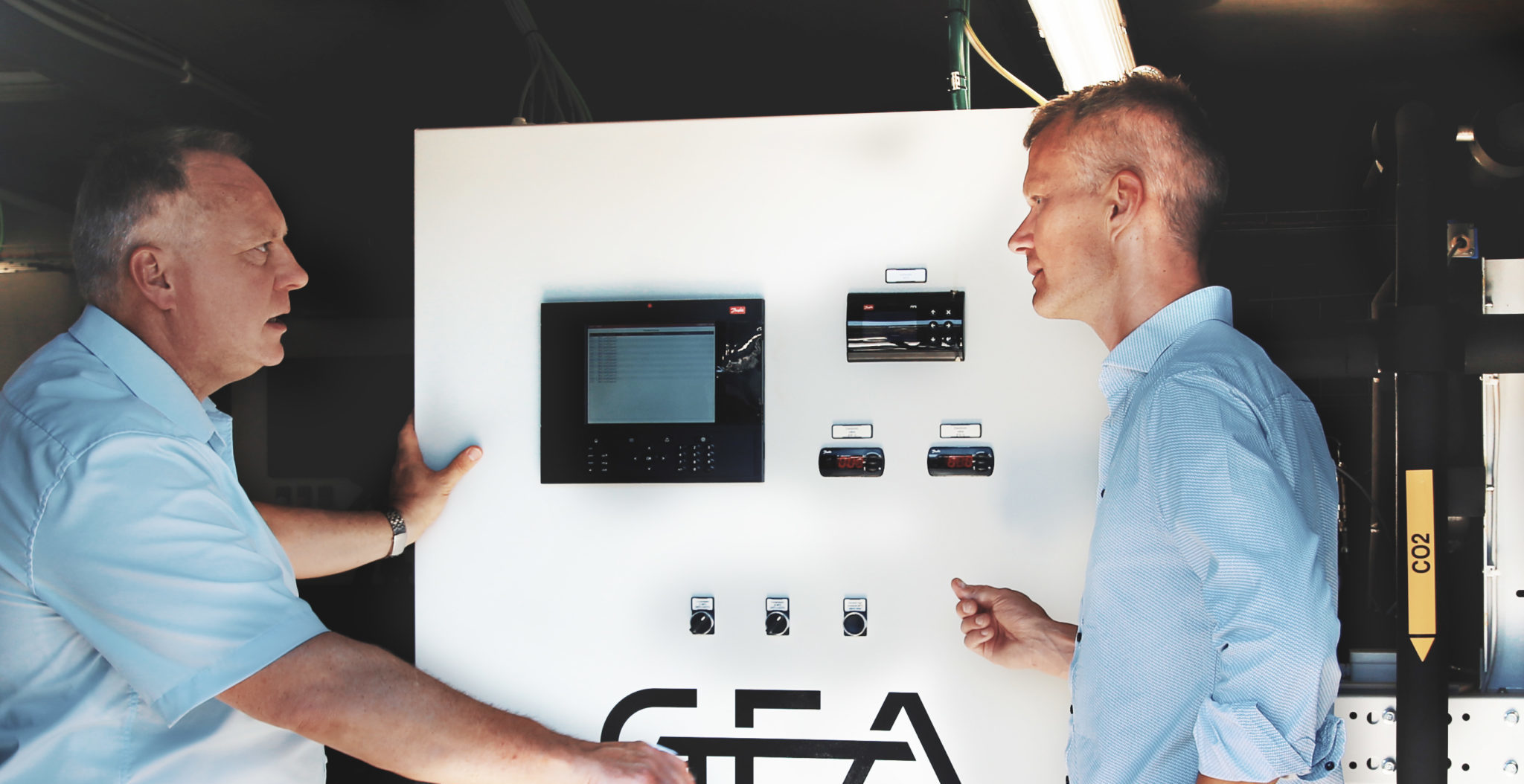
Combined competences drive impactful partnerships – a key reason why Danish dairy solutions are known and appreciated all over the world. The Embassies of Denmark in Thailand, Vietnam and Indonesia connect you with relevant Danish companies and solution providers across the dairy value chain, based on your specific market needs.

3. Access financing

Many Danish companies invest in innovative projects in developing countries, often with government support or funding from a non-profit foundation. By helping to build solid businesses, the objective is to improve local living standards, create new jobs and enable more sustainable production.