

Big data leads the way to low-emission cattle
Breeding cows that produce less methane is a promising scenario in the effort to reduce the climate impact of milk production. Since scientists discovered that some cows are genetically inclined to convert more feed into milk and less into methane, this possibility is coming closer to reality.
The Danish cattle breeding company VikingGenetics, owned by Nordic dairy and beef farmers, is playing a lead role in that development by enabling farmers to breed the healthy and efficient cows of the future.
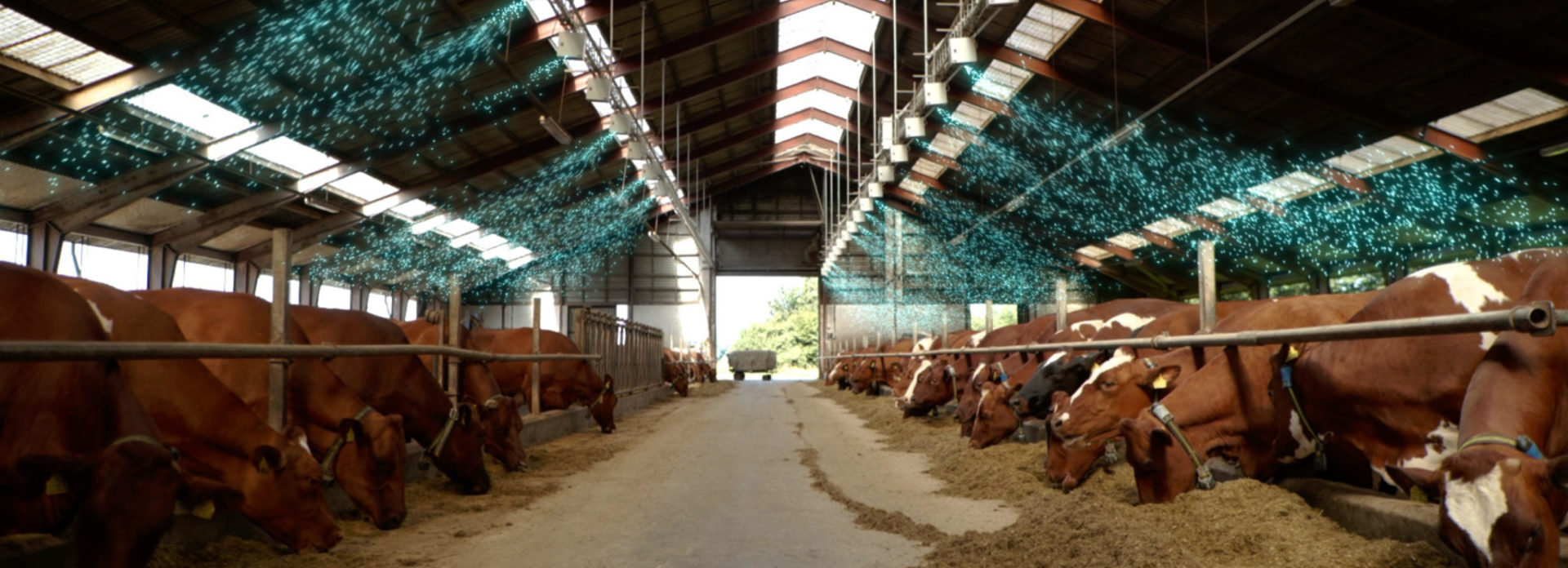
One of the company’s key tools is the patented Cattle Feed Intake System (CFIT). The AI-based system uses 3D cameras and deep learning to monitor the feed intake and body weight of individual cows in commercial herds throughout the lactation period. The data is collected without disturbing the cows’ daily routines and natural behaviour.
VikingGenetics registers the data in the Nordic Saved Feed Index, which describes the genetic ability of each cow to turn feed into milk. The amount of methane produced, varying from two to 12 percent of the feed’s energy content, is closely linked to feed-to-milk efficiency.
Farmers can then use this overview of genetic potential to select the breeding bulls that will pass high feed efficiency and other desirable traits onto the next generation.
VIKINGGENETICS USES AI, BIG DATA AND BREEDING INDICES TO SUPPORT LOWER-EMISSION DAIRY CATTLE
According to a new study based on CFIT data, genetic selection for improved feed efficiency could reduce GHG emissions from dairy cattle in VikingGenetics’ home markets by 20 percent in 2050. In a country like India, for example, the improvement potential is even higher. Here a dairy farmer may reduce methane emissions by 33 percent per litre of milk using Nordic genetics.
In 2025, VikingGenetics also launched the Nordic Methane Index in collaboration with SEGES Innovation, Aarhus University and Nordic Cattle Genetic Evaluation. The index makes it possible to select for cows that naturally emit less methane. According to VikingGenetics, scientific studies show that 20% of a cow’s methane production can be attributed to genetics, which means breeding can become a long-term tool for reducing methane emissions in dairy production.
By combining AI-based feed intake data, genetic evaluation and breeding indices, VikingGenetics helps farmers make more informed breeding decisions and supports the development of productive, healthy and lower-emission cattle.