
Menu

Strongholds

Stay updated on news and events

Subscribe to newsletter

FOOD NATION

IMAGE BRIEF 2026

INTERNATIONAL B2B INSIGHTS ON DENMARK AS A FOOD NATION

FOOD SECURITY AND HEALTH AS KEY EXPORT DRIVERS

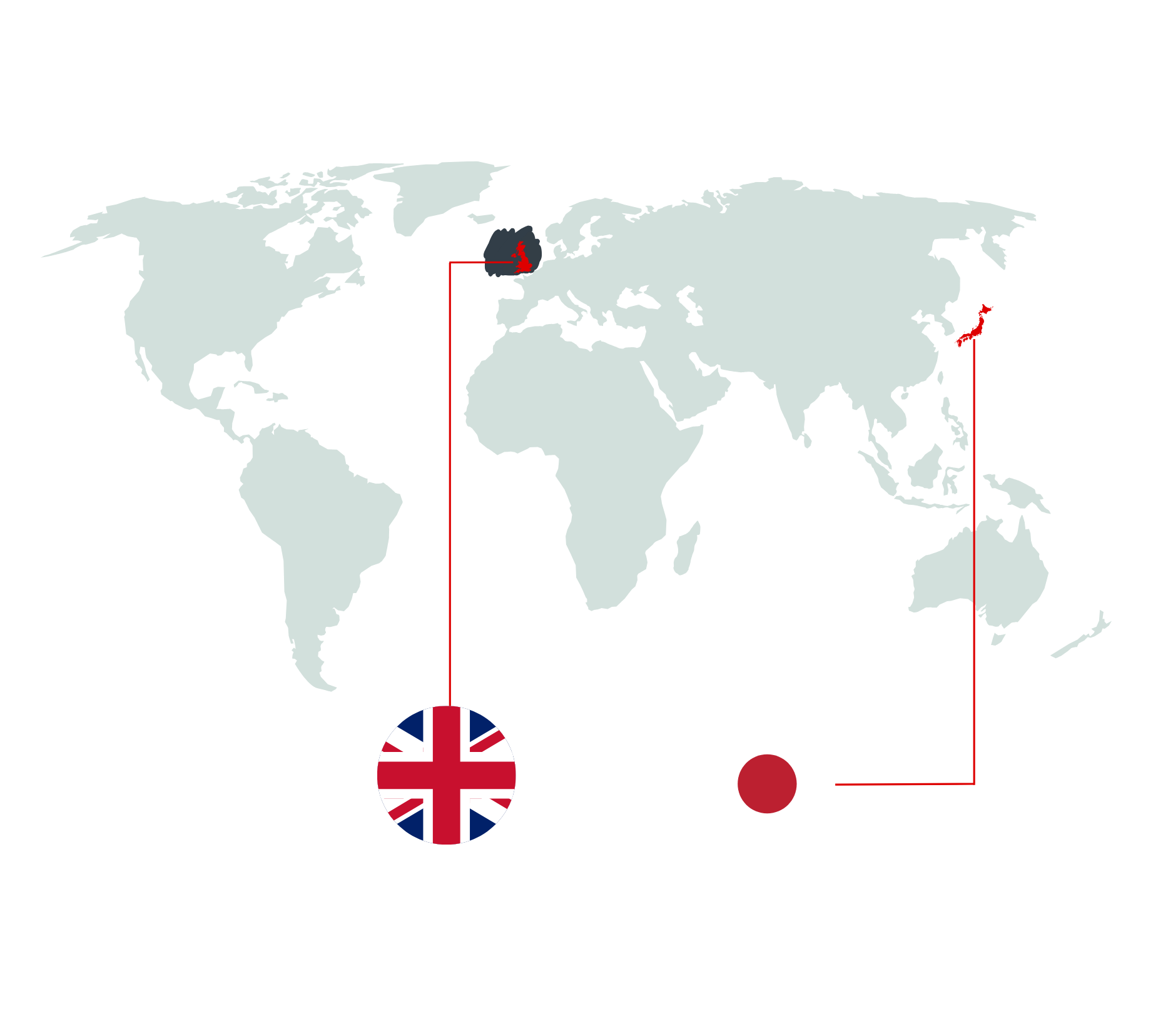
The eighth annual Image Brief from Food Nation explores how Denmark is perceived as an agriculture and food nation in two key export markets.

In 2026, we asked decision-makers in Japan and the United Kingdom about their awareness of the Danish agri-food sector, its unique selling points, and the role of food security and health across the value chain.

In a more unstable global food market, stable supply chains, food safety, documented quality and strong control systems are becoming increasingly important, opening new export opportunities for Danish companies.
DENMARK'S BRAND AWARENESS AND THE POWER OF ORIGIN

A STRONG IMAGE, BUT EVEN GREATER POTENTIAL

Country of origin is an important factor when selecting suppliers of agriculture and food products and -solutions.

72% of Japanese decision-makers and 71% of UK decision-makers consider country of origin decisive or very important when choosing suppliers. This underlines the importance of a strong Danish national brand.

At the same time, Denmark is not yet top-of-mind among international decision-makers. When asked which countries first come to mind in relation to agriculture and food production, Denmark is mentioned by 4% of respondents across the UK and Japanese markets.

This leaves considerable potential to strengthen Denmark’s international profile further.

UNLOCK THE POTENTIAL OF RECOGNISED STRENGTHS

DENMARK IS RENOWNED FOR AN ARRAY OF STRENGTHS

Quality, trustworthiness, food safety, healthy, food security and organic are the top six attributes associated with Danish agriculture and food products and solutions among decision-makers in Japan and UK.

Both food security and health rank high on the list in both markets, indicating that decision-makers associate Denmark with a stable and secure food supply.

Danish exporters can draw on Denmark’s recognised strengths and actively use these to reinforce their competitiveness and brand appeal in key export markets.

GROWING DEMANDS FOR FOOD SECURITY STRENGTHEN EXPORT OPPORTUNITIES

GLOBAL INSTABILITY FORCES A SHIFT IN FOOD SECURITY STRATEGIES

Global instability has fundamentally changed the way business leaders in Japan and the United Kingdom approach food security. Across both markets, 66% report that recent uncertainty has either fundamentally changed or strongly influenced their priorities.

In today’s volatile world, ensuring resilient supply chains has evolved from an operational issue to a core strategic imperative.

This shift is reflected in how businesses choose suppliers. 80% of the B2B decision-makers prioritise a stable and predictable food supply over achieving the lowest possible price.

At the same time, 69% believe that working with fewer, more trusted suppliers is a more critical strategy than wide diversification.

These findings show that decision-makers are increasingly focused on reducing risk through stable food supplies, trusted partnerships and reliable sourcing strategies.

%

of respondents prioritise a stable and predictable food supply over achieving the lowest possible price

%

either strongly agree or agree that regional sourcing strategies are increasingly more important than fully globalised models

%

of Japanese and UK decision-makers believe that consolidating with fewer, more trusted suppliers is a more critical strategy than wide diversification

REGIONAL SOURCING IS GAINING GROUND, WHILE RELIABLE IMPORTS REMAIN CRITICAL

In this year’s survey, decision-makers from Japan and the UK were asked how they are adapting their sourcing strategies to strengthen food security.

Regional sourcing is gaining importance, with 77% of decision-makers agreeing that geographical proximity matters more than fully global sourcing models.

Yet 85% say access to reliable food imports is just as critical as domestic production for maintaining food security.

The findings show that food security remains the overriding priority. For exporters, this underlines the continued importance of being able to deliver reliable supply across borders, even as sourcing strategies become more regional.

DENMARK IS RECOGNISED AS A RELIABLE PARTNER

As reliability becomes more important in international sourcing, Denmark holds a strong position across both markets. 79% of decision-makers in Japan and the UK see Denmark as a reliable long-term partner in strengthening food security.

Denmark is also recognised for expertise in food safety, regulation and compliance, as well as technologies and innovative solutions that strengthen food security across the value chain.

Danish exporters can use these strengths to position their products and solutions as reliable and trusted choices for international buyers.


RISING FOCUS ON HEALTH OPENS NEW DOORS FOR DANISH COMPANIES

HEALTHY FOOD FROM FARK TO FORK

Health is increasingly understood as something shaped from farm to fork rather than an attribute of the final product alone.

Decision-makers across Japan and the UK point to ingredient control, low levels of additives and toxins, and healthy soil and crop diversity as key drivers of health.

More than 80% recognise that ensuring healthy food depends on the entire food chain, highlighting the importance of food safety, transparency and reliable supply.


%

say health is a top priority for their company

%

agree that ensuring health depends on the entire food chain, from production to consumption

%

believe that investment in research and innovation is essential for delivering healthier food products and solutions

DENMARK IS A TRUSTED SOURCE FOR HEALTHY FOOD

Across both markets Denmark is recognised for an integrated approach to health, combining strong regulation and control systems with research and new technologies.

84% of decision-makers consider investment in research and innovation essential to delivering healthier food products and solutions. Denmark is already recognised for strengths in this area, positioning Danish exporters well to meet this demand.

For Danish exporters, the opportunity lies in turning these strengths into clear selling points. Companies can use strong ingredient control, traceable processes, documented quality and new technologies to position their products and solutions as safe and trustworthy choices for buyers seeking healthy food.


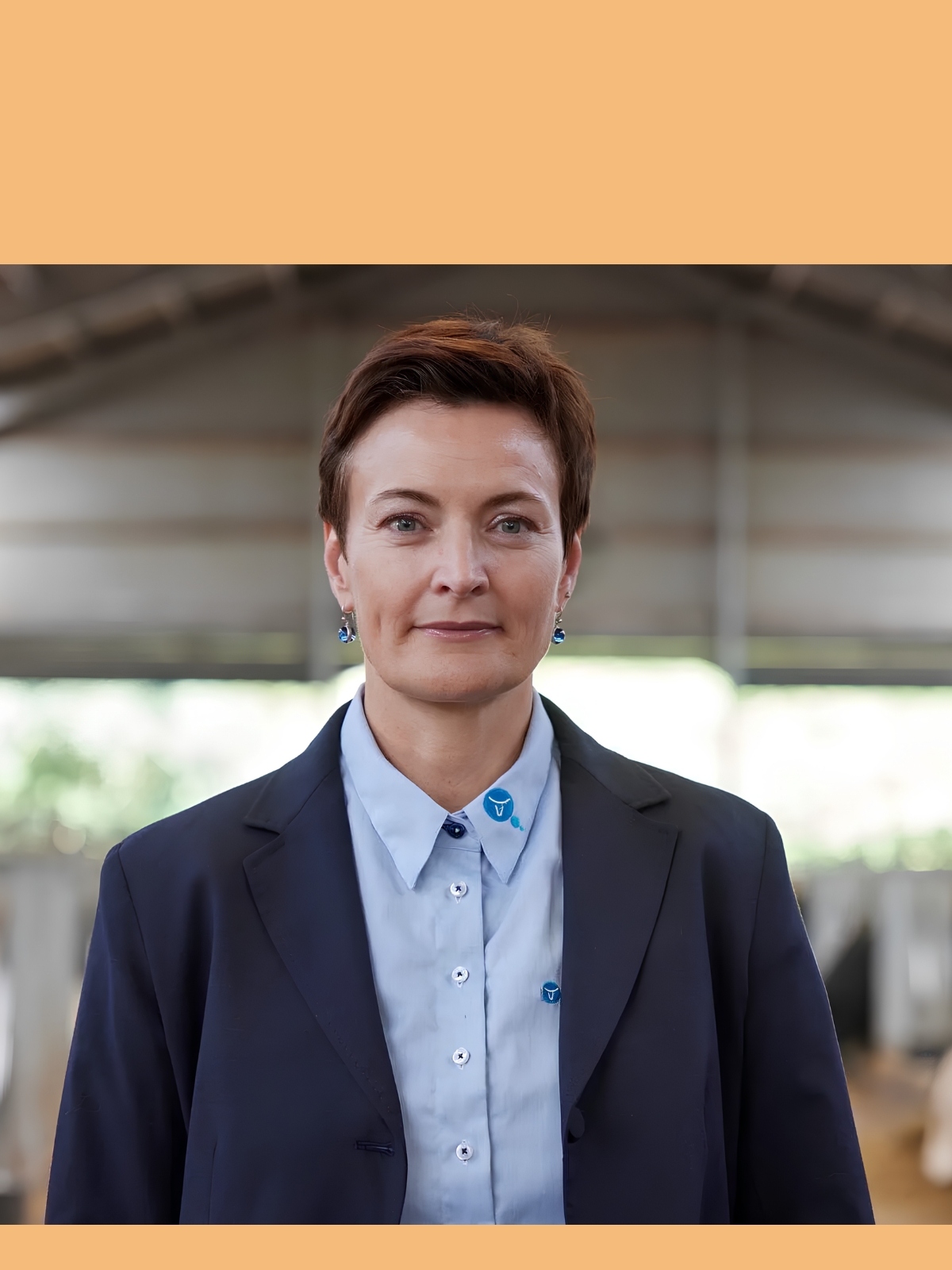
REFLECTIONS FROM LOUISE HELMER, CEO OF VIKINGGENETICS, ON BUILDING A STRONG POSITION IN THE UK MARKET

The United Kingdom is a key strategic market for VikingGenetics. By establishing a direct presence and building close relationships with British farmers, we can share the benefits of the Nordic approach to genetics while gaining valuable insights from production systems beyond our home markets. This two-way exchange of knowledge helps ensure that our breeding programmes remain globally relevant. The UK is also a priority market for many of the leading companies and organisations connected to our value chain. Being present where these collaborations take place strengthens our industry insights and helps us bring valuable knowledge back to our cooperative and Nordic farmers.

Expand to read more

KEY RECOMMENDATIONS AND BUSINESS OPPORTUNITIES

BUILD ON DENMARK'S POSITION IN FOOD SECURITY AND HEALTH

Although Danish products and solutions are generally well regarded, awareness remains uneven. A significant number of decision-makers do not yet associate Denmark with food security or health, highlighting an opportunity to strengthen this connection. Danish companies can strengthen their position by linking Denmark´s national brand and its recognised strengths in quality, trust, food safety, regulation and innovation more clearly to food security, reliable supply and healthier food products and solutions.

HIGHLIGHT THE LONG-TERM VALUE OF STABILITY AND RELIABILITY

Stable and predictable supply is becoming a strategic priority, with 80% of decision-makers placing it above minimising costs. With Denmark already recognised as a reliable long-term partner, Danish companies can reinforce this position by showing how dependable supply, innovation and strong regulatory expertise can reduce risk and support food security across the value chain to create long-term customer value.

SHOWCASE DANISH STRENGTHS IN QUALITY, FOOD SAFETY AND REGULATION

Denmark is strongly associated with quality, trustworthiness and food safety, while expertise in regulation, control and compliance supports its position as a preferred sourcing partner. Danish companies can use these strengths to demonstrate safe, transparent and consistently high-quality production.

CAPITALISE ON DENMARK'S INNOVATION STRENGTHS IN FOOD SECURITY AND HEALTH

To position Danish companies as preferred partners a way forward is to build on the strong recognition and perception of Danish technologies and innovative solutions. These strongholds can be directly liked to improve food security across the value chain and support healthier food products and solutions.

UNDERSTAND AND ADAPT TO LOCAL MARKET PRIORITIES

Both Japanese and UK decision-makers prioritise fair prices, food security and food safety, but important differences remain. Japanese decision-makers place particular emphasis on quality, regulation and innovation, while UK decision-makers highlight transparency, political stability and a whole-value-chain approach to health. Danish companies are well placed to adapt their proof points and communication accordingly.

EXPLORE DANISH STRONGHOLDS

Denmark is a frontrunner in innovative, sustainable and efficient agriculture and food production. The Danish food cluster is well-known worldwide for its strongholds in areas like food quality and safety, sustainability, organic food production, gastronomy, health, ingredients, innovative technology and the unique Danish way of collaborating. We like to share our know-how, so you can be inspired in your business.

Explore the Danish strongholds now →

Expand to read more