

Biosensor to reduce routine antibiotic use
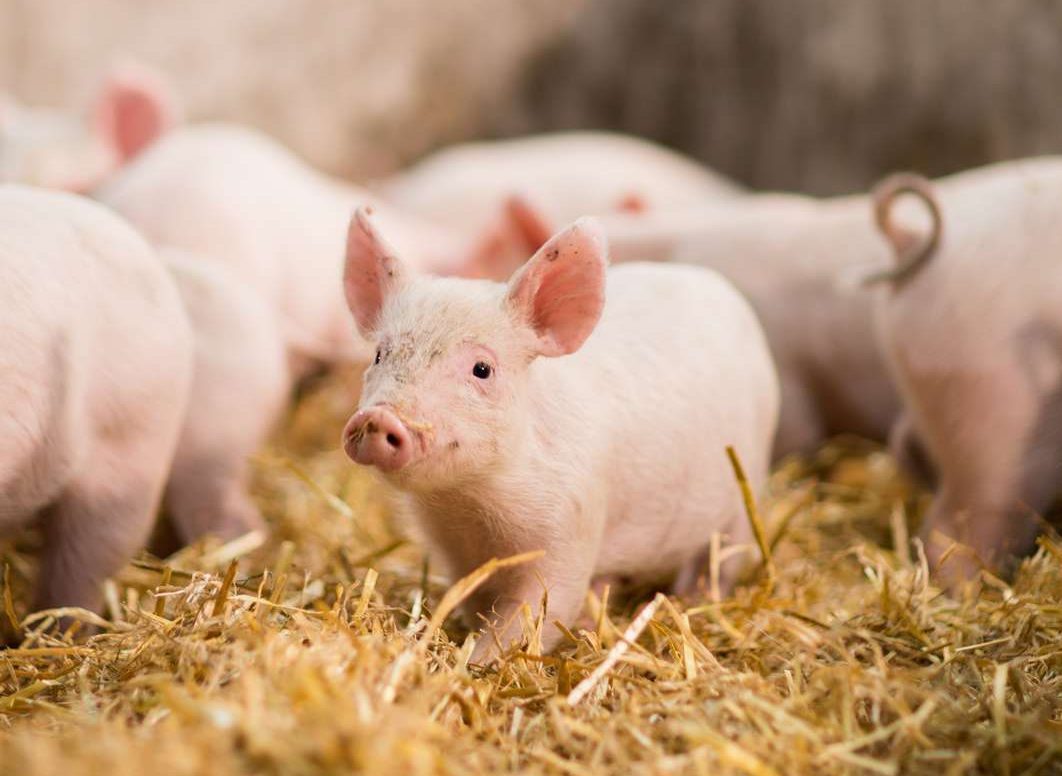
Just-weaned piglets have an immature immune system that leaves them highly susceptible to diarrhea. To treat and prevent the problem, farmers traditionally turn to antibiotics – an expensive practice that may not always be necessary.
Part of the explanation for this routine antibiotic use is that farmers do not have time to follow the standard procedure for diagnosing disease, which is to send samples to a laboratory for analysis. Such a delay can lead to a higher mortality rate with associated losses in production.
Fast E.coli Detection
The Technical University of Denmark (DTU) is developing a biosensor to overcome this challenge. Based on nanotechnology, the sensor is designed to capture so-called virulence factors from E. coli bacteria, which kill more than a million piglets a year in Denmark alone.
Using the detection tool, farmers can quickly determine whether diarrhoea-provoking bacteria are to blame when piglets become sick.
By enabling faster detection, the tool can help farmers determine whether diarrhoea-provoking bacteria are involved when piglets become sick. This may support more targeted use of antimicrobials and help reduce unnecessary routine treatment.
The ultimate goal is to reduce unnecessary antibiotic use, which contributes to the development of multi-resistant bacteria. At the same time, animal welfare and farm profits are both improved.
The technology has shown positive results in laboratory tests at DTU and was planned for further development in collaboration with pig producers, veterinarians, advisory clinics and industry partners.