
Agreement aligns agricultural productivity with planetary goals
The Agreement on a Green Denmark demonstrates how ambitious climate and nature goals can be aligned with competitive food production. Through an integrated framework combining regulation, public investment, and broad stakeholder collaboration, Denmark is transforming land use and agriculture while maintaining a productive food sector. The agreement introduces the world’s first CO₂e tax on livestock emissions and supports large-scale land use change, offering a scalable model for climate-smart agriculture with global relevance.
Food systems worldwide must deliver more food with fewer resources while staying within environmental limits. Major challenges for agriculture is greenhouse gas emissions, biodiversity loss and water pollution. At the same time, food production must remain economically viable to ensure food security, rural livelihoods, and stable supply chains.
Many countries struggle to reconcile climate and nature ambitions with competitive agricultural production. Policies are often fragmented across climate, water, and biodiversity objectives, creating uncertainty for farmers and limiting impact. There is a growing need for integrated, scalable approaches that reduce environmental pressures without undermining food production or shifting emissions elsewhere.
An integrated framework for systemic change
The Agreement on a Green Denmark provides an integrated framework for transforming land use and agriculture through collaboration between government, industry and civil society. A core element is the introduction of a national CO₂e tax on livestock emissions from 2030, the first of its kind globally. The tax includes a substantial baseline deduction, incentivising farmers to reduce emissions through recognised measures and technologies. Revenues are recycled into the agricultural sector to support green investments and innovation that can accelerate the green transition.
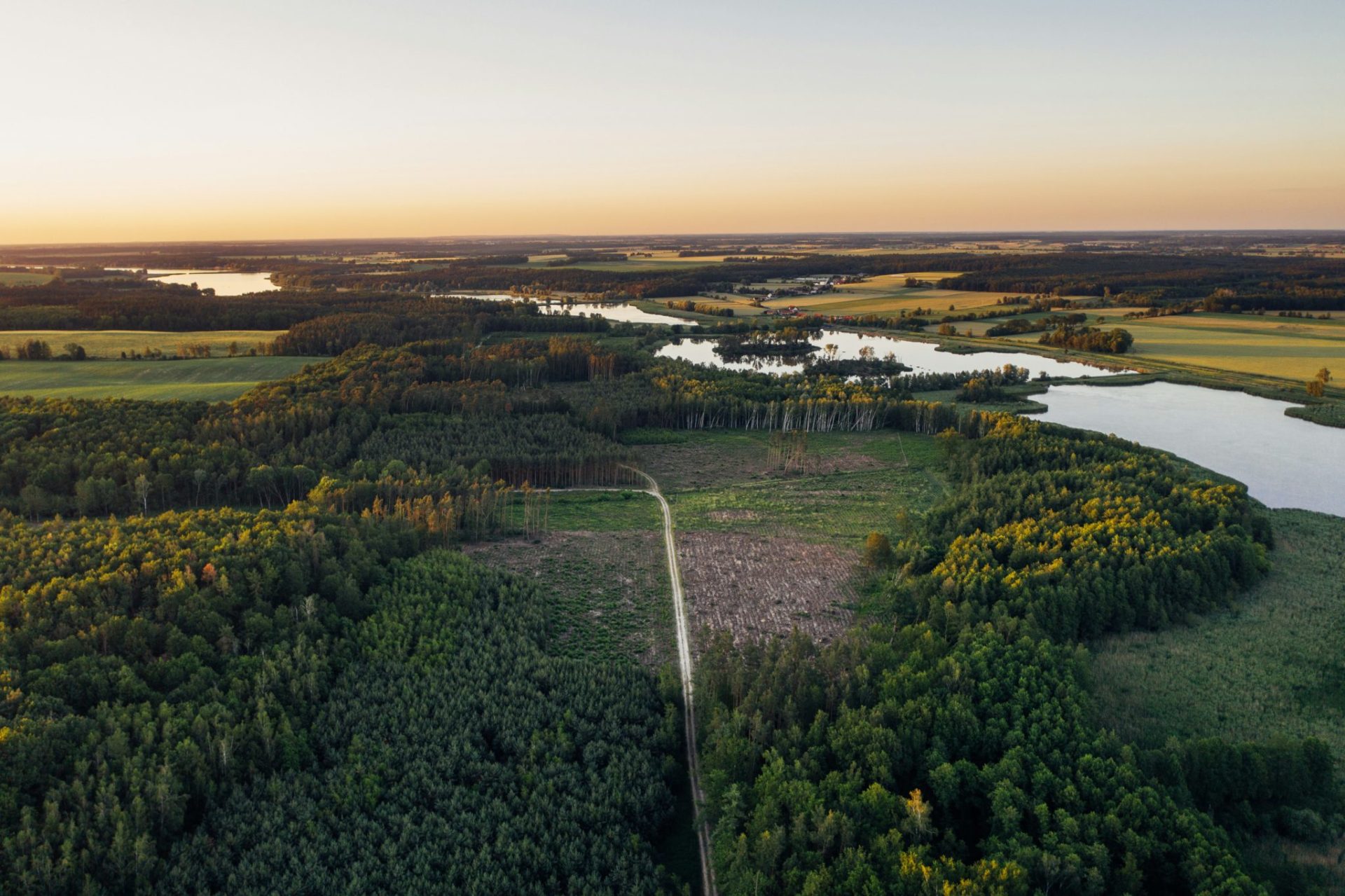
The agreement is supported by large-scale land use change through Denmark’s Green Area Fund, backed by approximately EUR 5.76 billion. The fund finances voluntary afforestation, peatland rewetting, and extensification, reducing emissions while improving biodiversity and water quality. Local tripartite groups develop catchment-based land-use plans, supported by scientific data and digital planning tools, ensuring solutions are locally anchored and evidence-based.
Accelerating innovation for sustainable food systems
The Agreement on a Green Denmark establishes a credible pathway for reducing agricultural emissions while maintaining a productive food sector, contributing significantly to Denmark’s ambitious climate targets, including an 82% reduction in greenhouse gas emissions by 2035 compared to 1990 levels. It delivers climate mitigation alongside nature restoration, cleaner aquatic environments, and increased land-use efficiency.
Internationally, the agreement offers a scalable governance model rather than a prescriptive template. By combining regulation, incentives, public investment, and stakeholder collaboration, Denmark demonstrates how food production and environmental goals can be aligned in a way that is both economically viable and globally necessary. In doing so, the agreement is expected to stimulate innovation and deliver new technologies and solutions that can be applied in food systems worldwide.